

Browse prime Cape Cod, MA homes and real estate options in the area.
Cape Cod Housing Market Trends What is the housing market like in Cape Cod today? In 2025, Cape Cod recorded 3,507 home sales across Barnstable County, with a median single-family sale price of $790,000 — up approximately 3.3% year over year. Homes are averaging around 42–66 days on the market depending on price point and location, with well-priced, turnkey properties in desirable towns still attracting strong buyer interest. Sales above $2 million surged 35% in the first half of 2025, reflecting enduring strength at the upper end of the market even as the broader market normalizes after the pandemic-era frenzy.
Median Sale Price
# of Homes Sold
Median Days on Market
Your Guide To
Where natural beauty, coastal heritage, and the good life coexist.
Jutting dramatically into the Atlantic Ocean from the southeastern corner of Massachusetts, Cape Cod is one of the most recognized and beloved landscapes in America — a 65-mile arc of beaches, dunes, harbors, and pine-scented woodlands that has captured the imagination of artists, writers, presidents, and families for generations. From the windswept bluffs of Truro to the shingled elegance of Chatham, the working harbors of Wellfleet to the exuberant arts colony of Provincetown, the Cape is not one place but fifteen — each town a distinct world with its own character, history, and particular vision of the good life.
The Cape's appeal is as much about permanence as it is about beauty. The Cape Cod National Seashore, established in 1961, permanently protects over 40,000 acres of the peninsula's most dramatic landscapes, ensuring that the dunes, beaches, and marshes that define the Outer Cape will remain as they are — wild, unhurried, and extraordinary — for generations to come. For buyers, this means that the scarcity that drives Cape Cod's real estate market is structural and permanent: there is simply no more land to develop, no bridge to build to make the Cape more accessible, no force that will diminish what makes it irreplaceable. Whether as a primary home, a retirement destination, a family legacy property, or a second home that anchors a life otherwise spent elsewhere, a piece of Cape Cod is more than real estate — it is a stake in one of the most enduring places in America.
Cape Cod offers one of the most architecturally and geographically diverse real estate markets in New England, spanning classic shingled Cape-style cottages and historic sea captain's homes, sprawling waterfront estates with private beach rights and deep-water docks, contemporary new construction, over-55 communities, condominiums, and investment properties suited to the robust vacation rental market. The Cape's 15 towns each offer a distinct character, from the artsy harborfront homes of Provincetown to the upscale village estates of Chatham and Osterville.
Cape Cod's median single-family sale price sits around $790,000 overall, though pricing varies dramatically by location and property type. Entry-level inland homes and condominiums can be found starting around $350,000–$500,000, while waterfront properties, beachfront estates, and premium homes in Chatham, Osterville, and Truro regularly trade between $2 million and $10 million or more, with the most exclusive enclaves trading privately at prices well above that.
New construction on Cape Cod is limited by the peninsula's largely built-out character and stringent environmental regulations protecting its coastal and freshwater ecosystems, which makes truly new development relatively scarce. What exists tends to be high-quality custom builds, thoughtful renovations of existing structures, and select new communities in towns like Mashpee, where mixed-use and planned developments like Mashpee Commons have added modern housing options to the market.
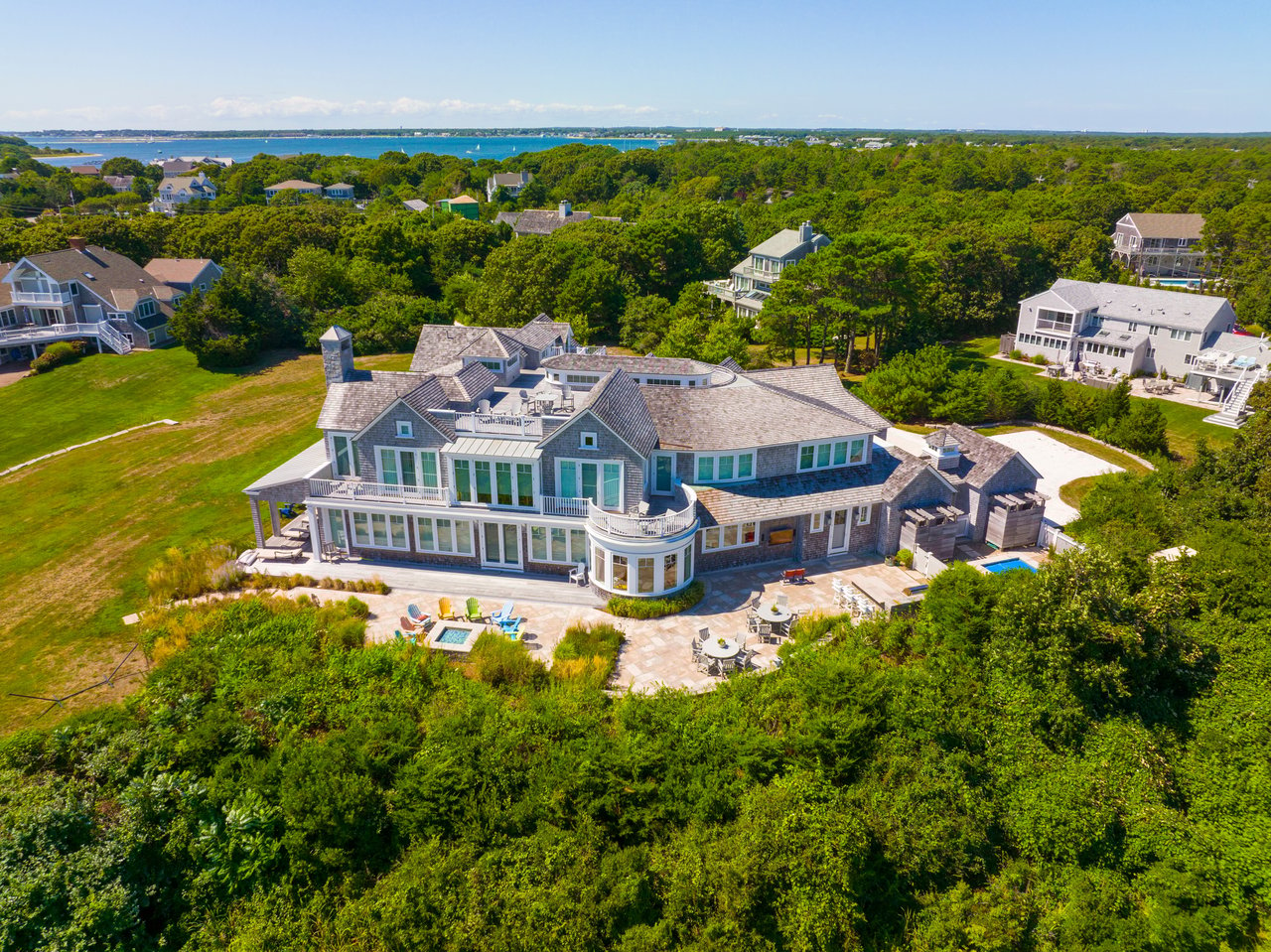
Cape Cod properties are defined by their connection to the outdoors — private yards, outdoor showers, wraparound porches, decks, and in many cases private or association beach access are standard expectations at the mid-to-upper end of the market. Classic architectural details including cedar shingle siding, exposed beams, dormers, and wide-plank floors give the region's homes a distinctive character, while newer properties increasingly emphasize open floor plans, energy efficiency, and storm-resilient construction.
Cape Cod is one of the most beloved and recognizable landscapes in America — over 400 miles of coastline, 15 charming and distinct towns, the Cape Cod National Seashore protecting over 40,000 acres of pristine dunes and beaches, and a quality of life built entirely around the sea. For buyers seeking a primary home, second home, or retirement destination, the Cape offers a combination of natural beauty, community, and lifestyle that is genuinely irreplaceable.
Active listings are available through platforms like Zillow, Redfin, and Cape Cod-specific brokerages including William Raveis, Kinlin Grover, and Robert Paul Properties. A meaningful share of the most desirable properties — particularly in Chatham, Osterville, and Truro — trade privately or quietly, making local agent relationships and market-specific expertise particularly valuable for serious buyers.
Buyers should carefully evaluate flood zone designations, coastal insurance requirements, and Massachusetts Chapter 91 waterfront permitting regulations before committing to any coastal or waterfront property. Seasonal considerations — including the distinction between year-round and seasonal communities, contractor availability for renovations, and the carrying costs of a second home — are all meaningful factors, as is the distinction between properties with private beach rights versus association or public beach access.
Cape Cod has demonstrated strong long-term appreciation driven by permanently constrained land supply, consistent demand from primary residents, second-home buyers, and retirees, and a robust short-term rental market that can meaningfully offset ownership costs. Sales above $2 million surged 35% in early 2025, and approximately 61% of luxury transactions are completed in cash — a reflection of the deep, well-capitalized buyer pool that continues to support the top end of the market.
Cape Cod's waterfront offering is extraordinarily diverse, encompassing Atlantic Ocean-facing bluff homes with panoramic open-water views, calm-water bayfront estates on Cape Cod Bay, Nantucket Sound-facing properties with warm swimming waters and yacht club access, harbor-front homes in working fishing villages, and freshwater pond properties throughout the peninsula's wooded interior. Each orientation offers a fundamentally different lifestyle, price point, and maintenance consideration.
Cape Cod residents enjoy a remarkable range of year-round and seasonal amenities, including the Cape Cod National Seashore, over 130 freshwater ponds, the 25-mile Cape Cod Rail Trail, dozens of town-managed beaches, world-class seafood restaurants, galleries and cultural institutions in Provincetown and Wellfleet, the Heritage Museums and Gardens in Sandwich, multiple golf courses, sailing schools, and ferry connections to Martha's Vineyard and Nantucket. Hyannis serves as the Cape's commercial hub, with regional shopping, a growing arts scene, and the John F. Kennedy Hyannis Museum.
Cape Cod is a peninsula extending approximately 65 miles into the Atlantic Ocean from southeastern Massachusetts, forming a distinctive hook shape that encloses Cape Cod Bay to the north and faces Nantucket Sound to the south. Comprising 15 towns across Barnstable County, the Cape is connected to the mainland by two bridges over the Cape Cod Canal and lies approximately 70 miles southeast of Boston.
Cape Cod sustains a year-round population of roughly 220,000 residents that swells to over 500,000 in summer, creating a dual character that defines life here — the tight-knit, deeply rooted communities of the off-season, and the vibrant, culturally rich energy of the warm months. Each of the Cape's 15 towns has its own personality, from the working-class fishing heritage of Wellfleet to the upscale village elegance of Chatham.
Cape Cod's dining scene is anchored by its extraordinary seafood — fresh lobster, oysters, clams, striped bass, and scallops that come directly from surrounding waters to local restaurant kitchens. From legendary raw bars and casual clam shacks to award-winning fine dining restaurants in Chatham, Osterville, and Provincetown, the Cape's culinary culture is one of New England's most celebrated, drawing food writers, chefs, and eaters from across the country.
Cape Cod's 15 towns are served by their own individual school districts, with quality varying across the peninsula. Families typically evaluate districts town by town, with communities including Chatham, Falmouth, and Sandwich generally regarded for strong academic programs. The Cape's proximity to New England's rich higher education ecosystem — with Boston's universities approximately 70 miles away — and the presence of Cape Cod Community College provide continued education access for residents of all ages.
Cape Cod's housing stock is defined by its iconic shingled architecture, coastal character, and extraordinary range — from modest year-round Capes and bungalows to multi-million dollar waterfront estates with private docks, guest houses, and spectacular water views. Over 90% of the housing units are single-family, and the market skews heavily toward owner-occupied and second-home properties, with the median single-family sale price around $790,000 reflecting a market that has appreciated dramatically over the past decade.
Cape Cod is primarily a car-dependent community, with Route 6 serving as the main arterial road running the length of the peninsula. The Sagamore and Bourne Bridges provide the only road connections to the mainland, which can create significant congestion during peak summer weekends. The Cape Flyer seasonal passenger rail connects Hyannis to Boston's South Station, and ferries from Hyannis and Woods Hole provide regular service to Martha's Vineyard and Nantucket. Aviation is available through Cape Cod Gateway Airport in Hyannis.
Cape Cod enjoys a maritime climate that is measurably milder than the Massachusetts mainland — summers are cooler, winters are less severe, and the shoulder seasons are extended by the thermal moderating influence of the surrounding ocean. This climate makes the Cape genuinely four-season livable, with spectacular spring wildflower blooms, warm and sunny summers, brilliant autumn foliage, and winters that, while quiet, carry a beauty of their own in the off-season communities.
Cape Cod's amenities are fundamentally tied to its extraordinary natural environment, anchored by the Cape Cod National Seashore along with over 130 freshwater ponds, the 25-mile Cape Cod Rail Trail, dozens of town and association beaches, the Wellfleet Bay Wildlife Sanctuary, Heritage Museums and Gardens, and the vibrant arts communities of Provincetown, Wellfleet, and Chatham. Seasonal attractions from whale watching and deep-sea fishing to live theater at the Cape Playhouse in Dennis make the Cape one of the most richly amenitized regions of its size in New England.
Cape Cod's year-round population of approximately 220,000 has a median age of around 54 reflecting the peninsula's enormous appeal as a retirement and second-home destination. The community is predominantly white, highly owner-occupied, and skews toward affluent, well-educated households, with average household incomes around $110,000 across the county. The seasonal influx of summer visitors and second-home owners adds a younger and more diverse demographic layer that defines the character of life from June through September.