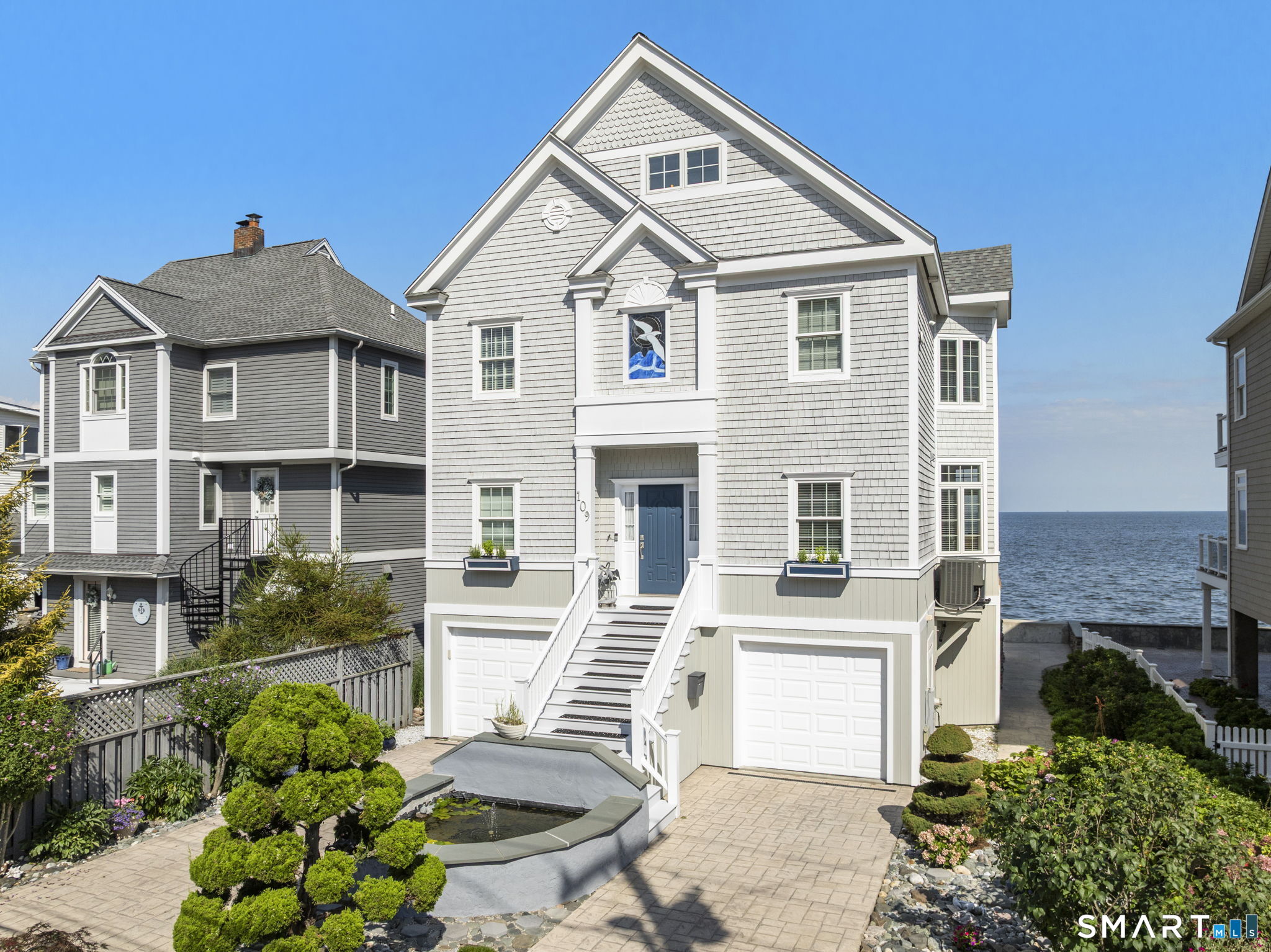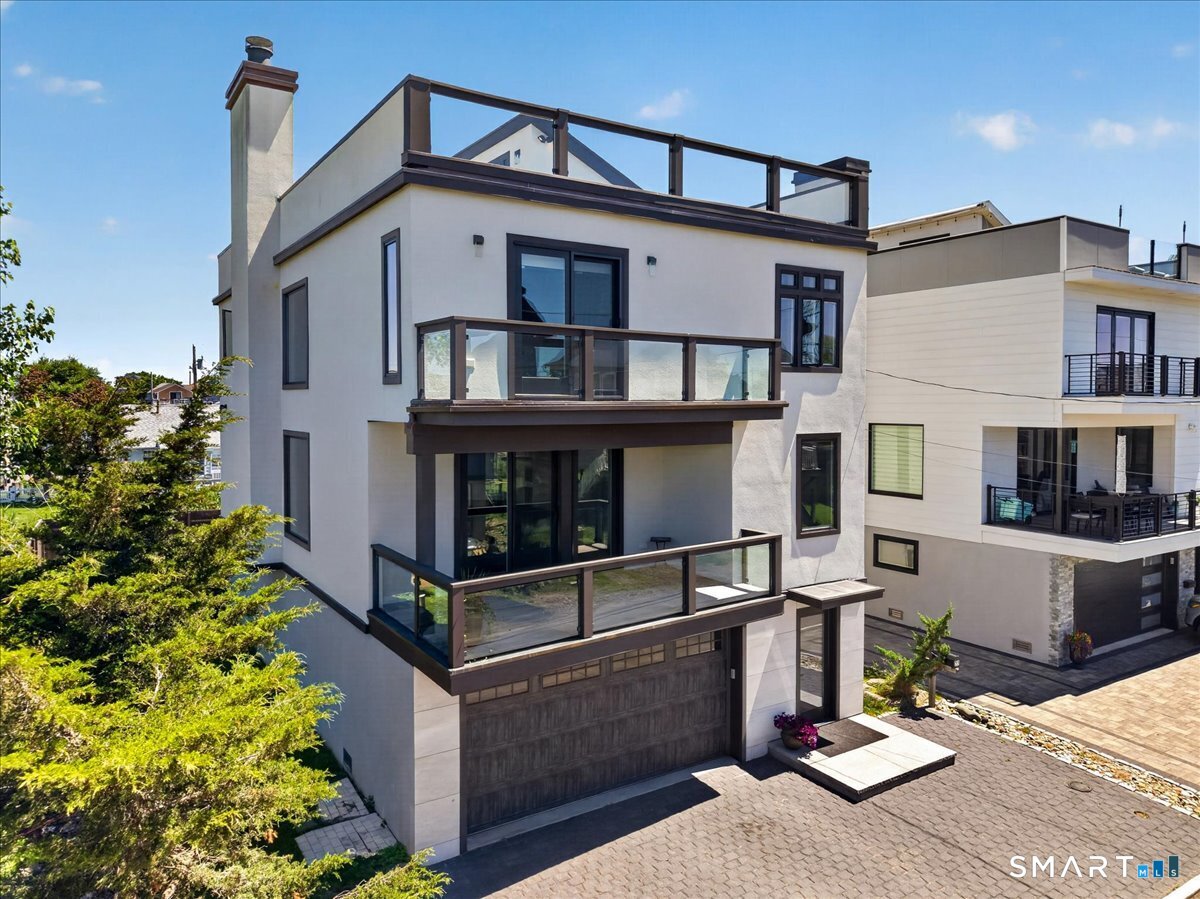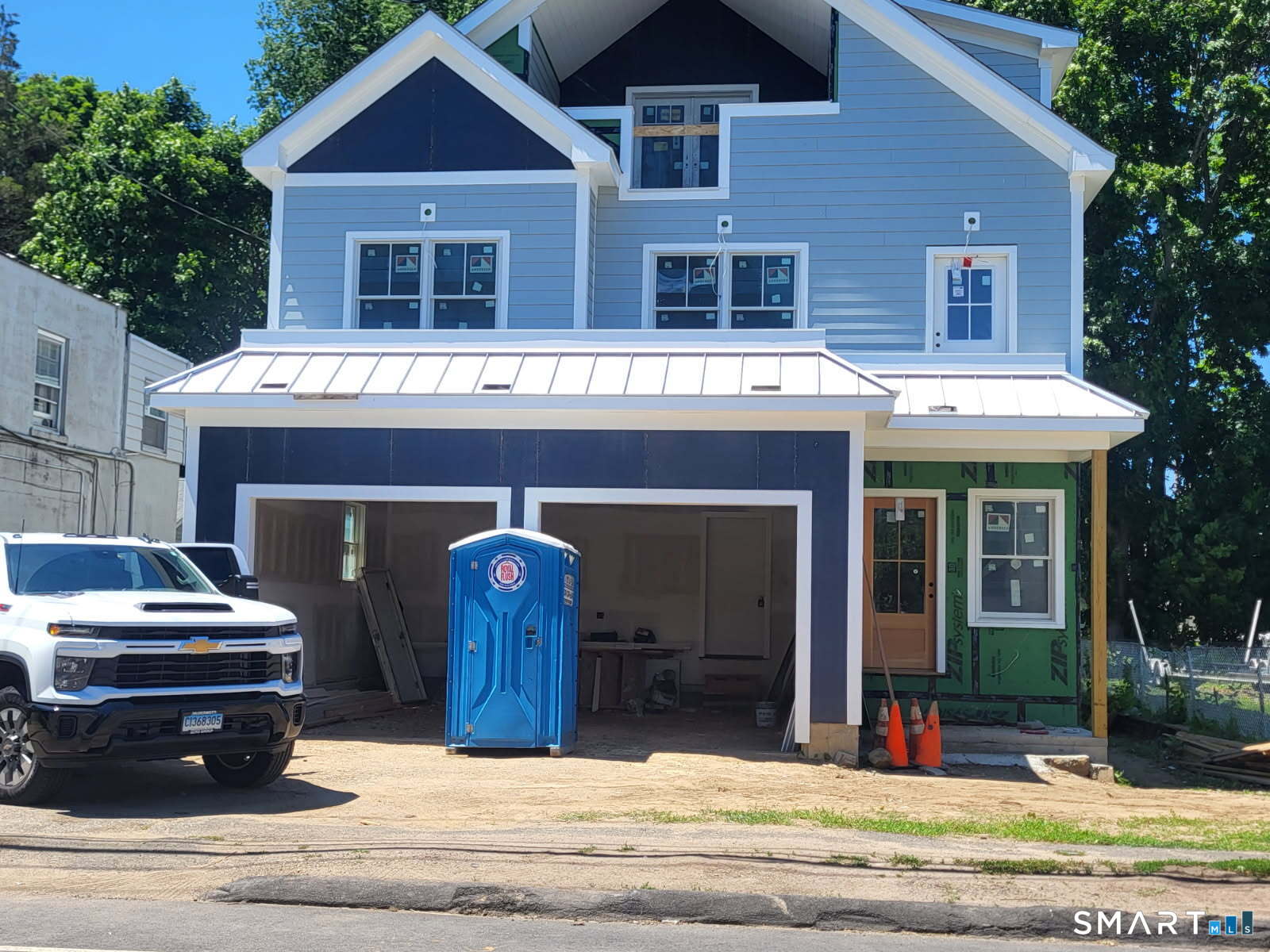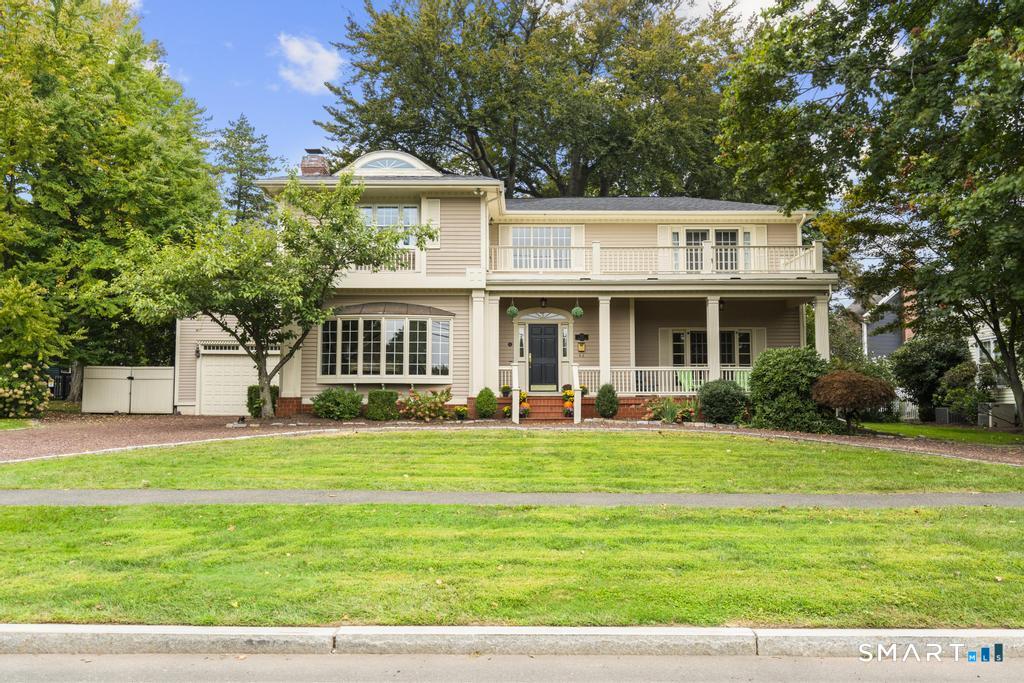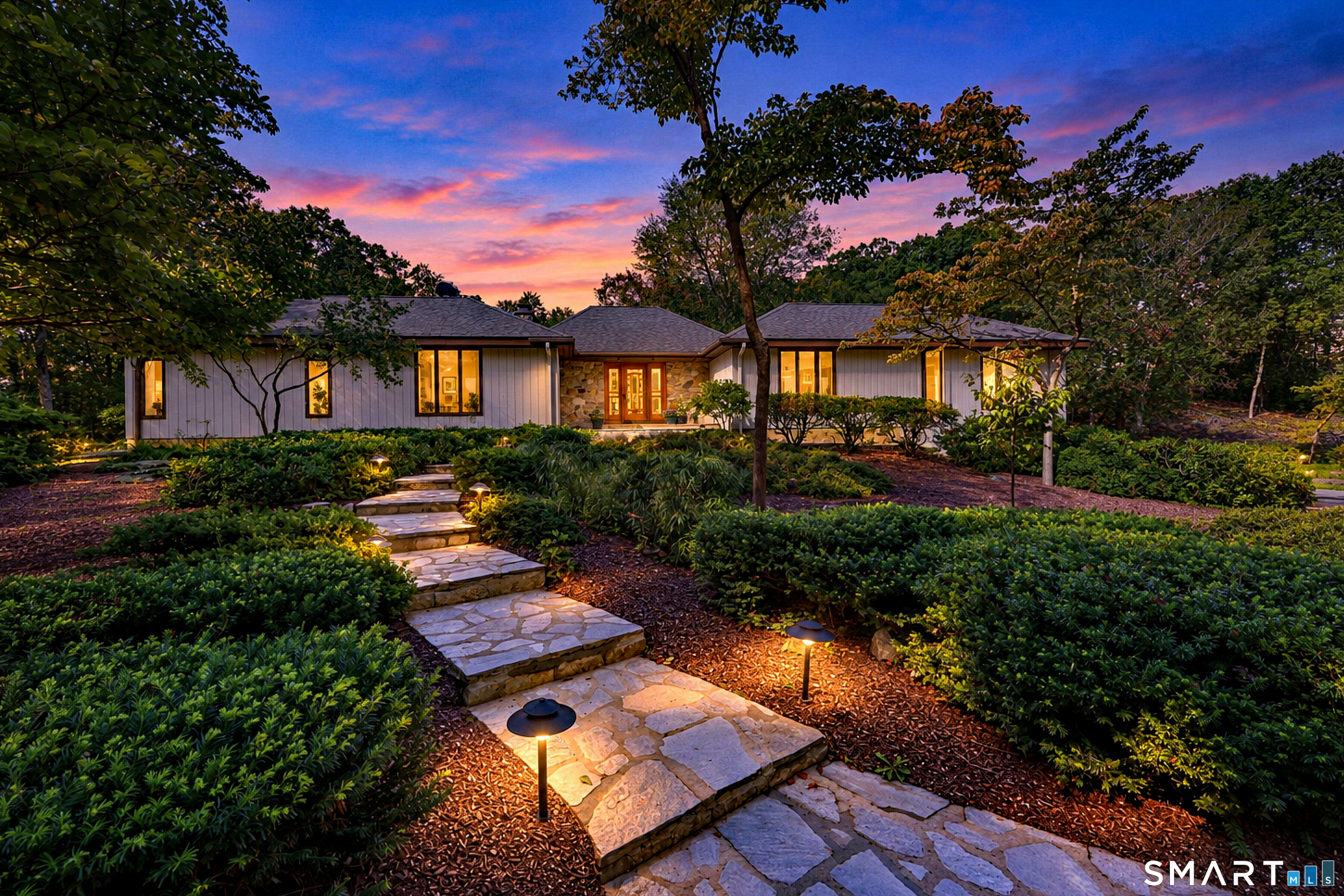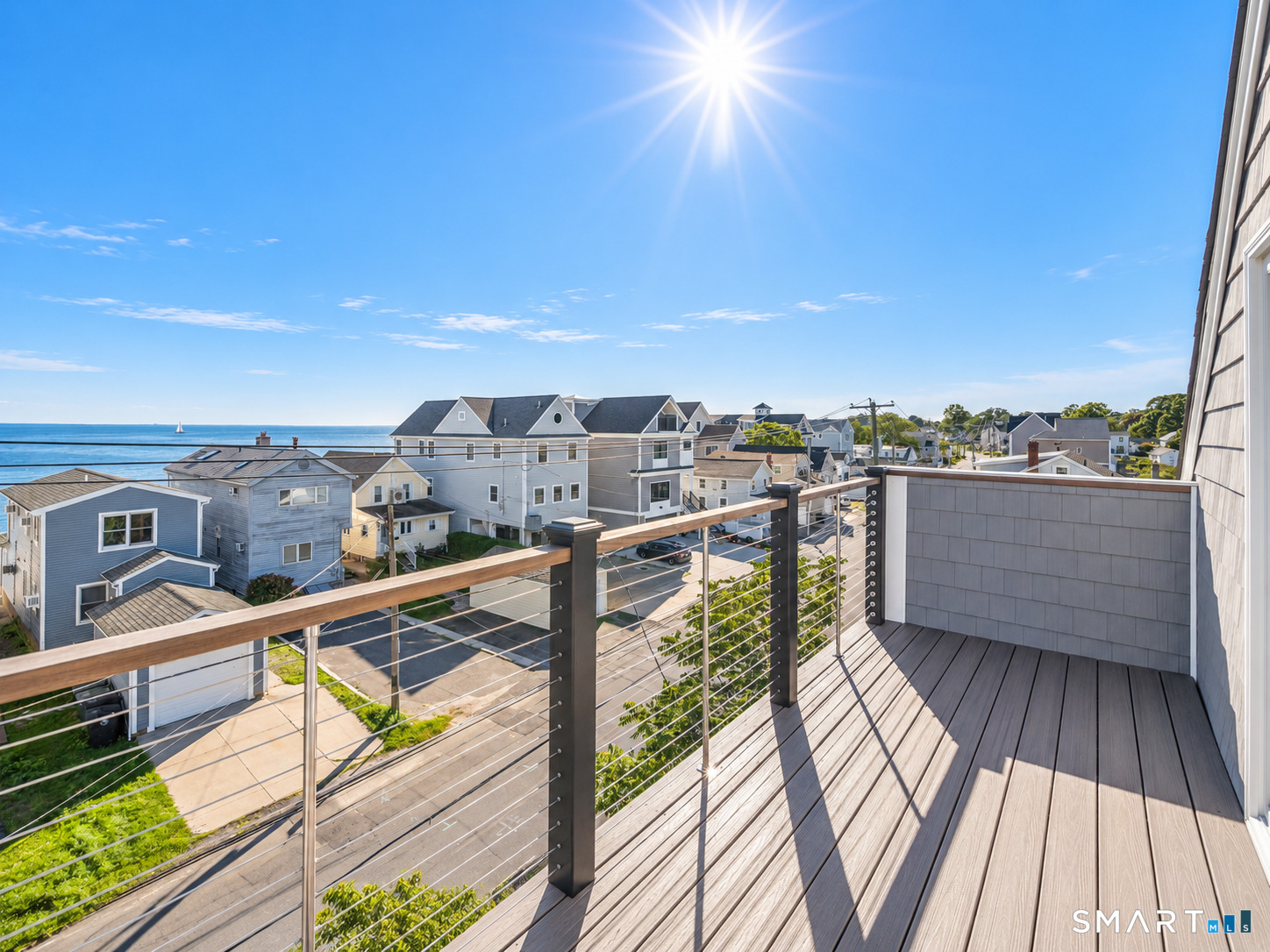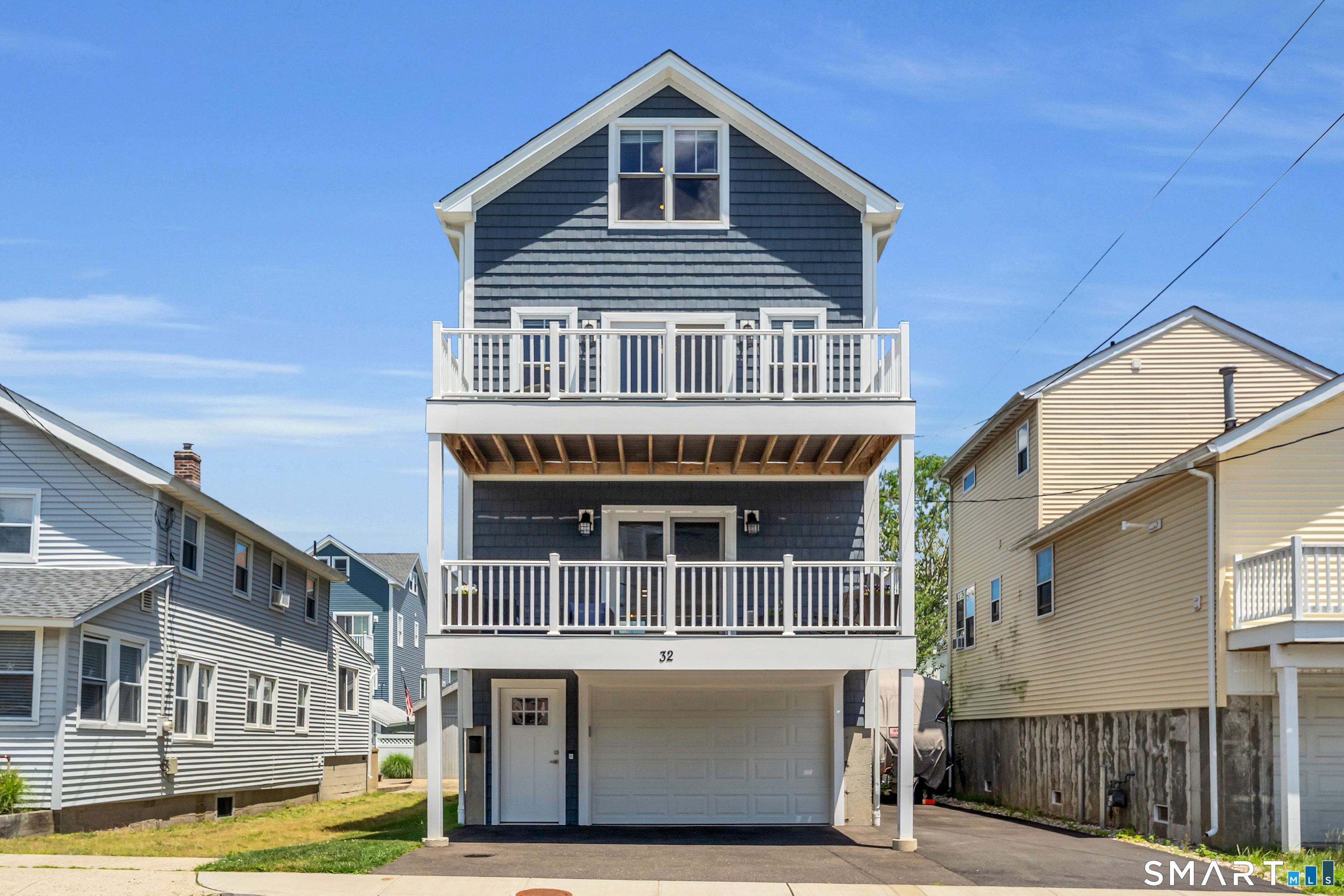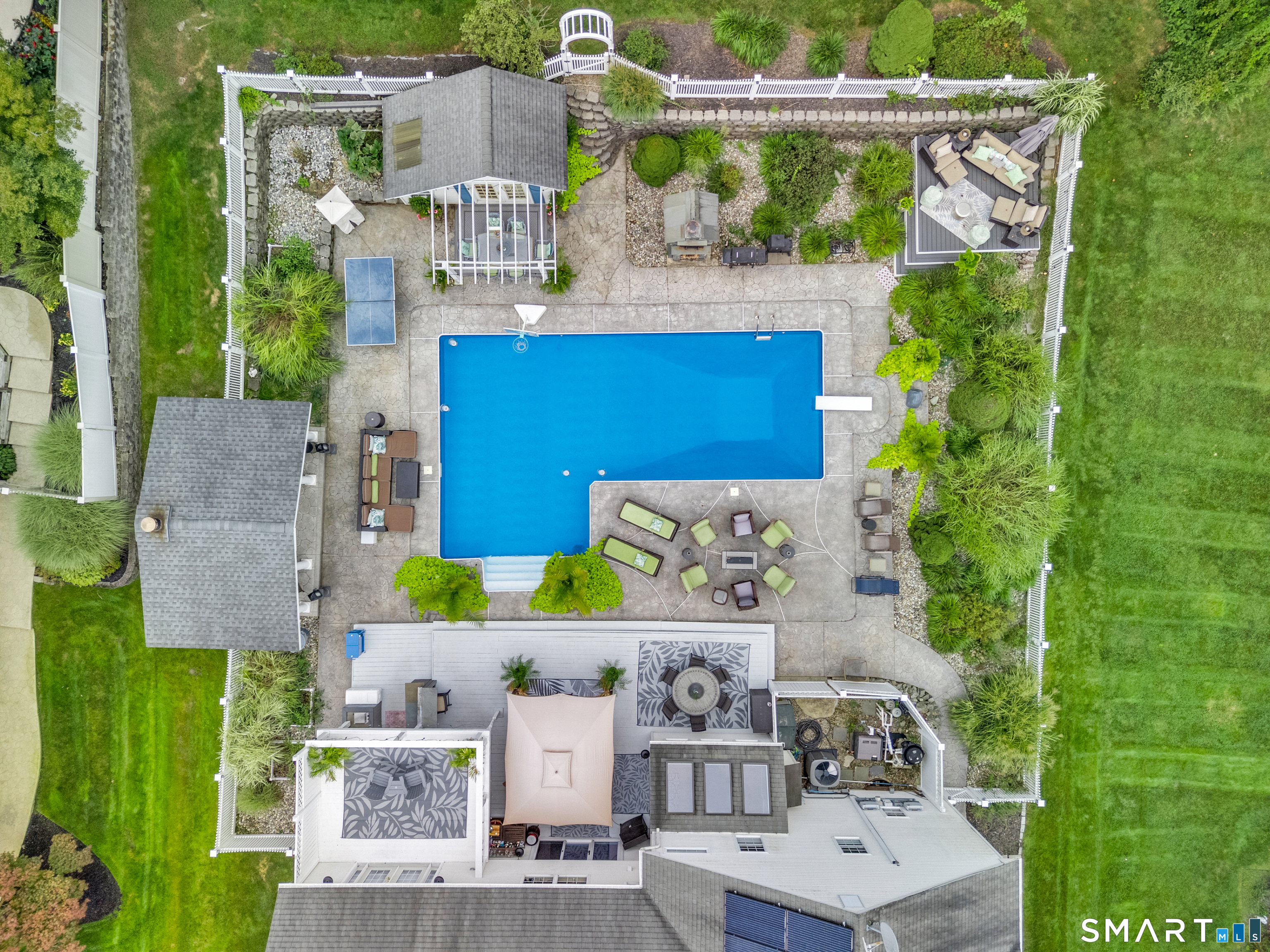

Browse prime Milford, CT homes and real estate options in the area.

Milford Housing Market Trends What is the housing market like in Milford today? In late 2025, Milford home prices were up 13.6% compared to last year, selling for a median price of $526K. On average, homes in Milford sell after 50 days on the market, consistent with the prior year, with 48 homes sold in November — reflecting steady, competitive demand from buyers seeking accessible coastal Connecticut living. With over half of homes selling above asking price and inventory remaining tight, Milford continues to reward sellers while offering buyers more options than many neighboring towns.
Median Sale Price
# of Homes Sold
Median Days on Market
Your Guide To
Traditional New England character along a remarkable coastline.
Tucked between Bridgeport and New Haven lies the beautiful small city of Milford. With its several beaches and traditional New England character, having Milford, CT real estate allows you to experience a “small city with a big heart.” As one of the area’s oldest communities, Milford boasts New England’s old-world charm — the city was founded in 1639 and has 26 square miles of stunning architecture, beaches, and sprawling green spaces for outdoor activities.
The area has seen tremendous growth since Milford’s founding in 1639. The land was originally home to the Paugussett tribe before colonists purchased the land from their chief. During the Revolutionary War, Milford was a pass-through road to Boston and New York — it was one of the quickest ways for messages to pass to the larger cities. In 1902, Quaker Oats oatmeal boxes included a redeemable coupon for a plot of land in Milford. These small plots were carved out of a subdivision called “Liberty Park,” and in the 70s, the homes were foreclosed to build more suburban areas. Today, Milford's homes for sale include beautiful single-family homes built in the traditional New England style along tree-lined streets, making this small town a great place to call home.
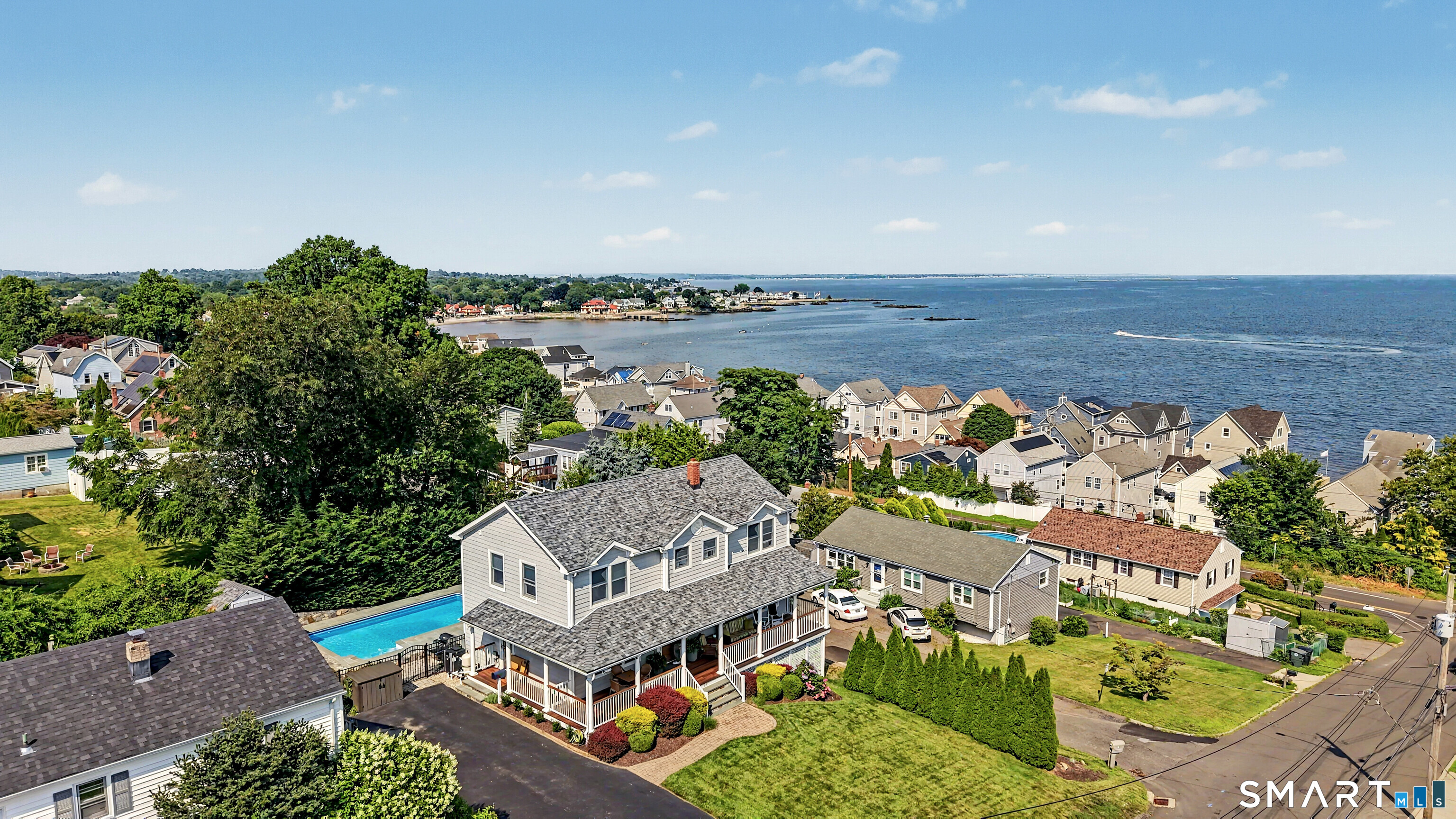
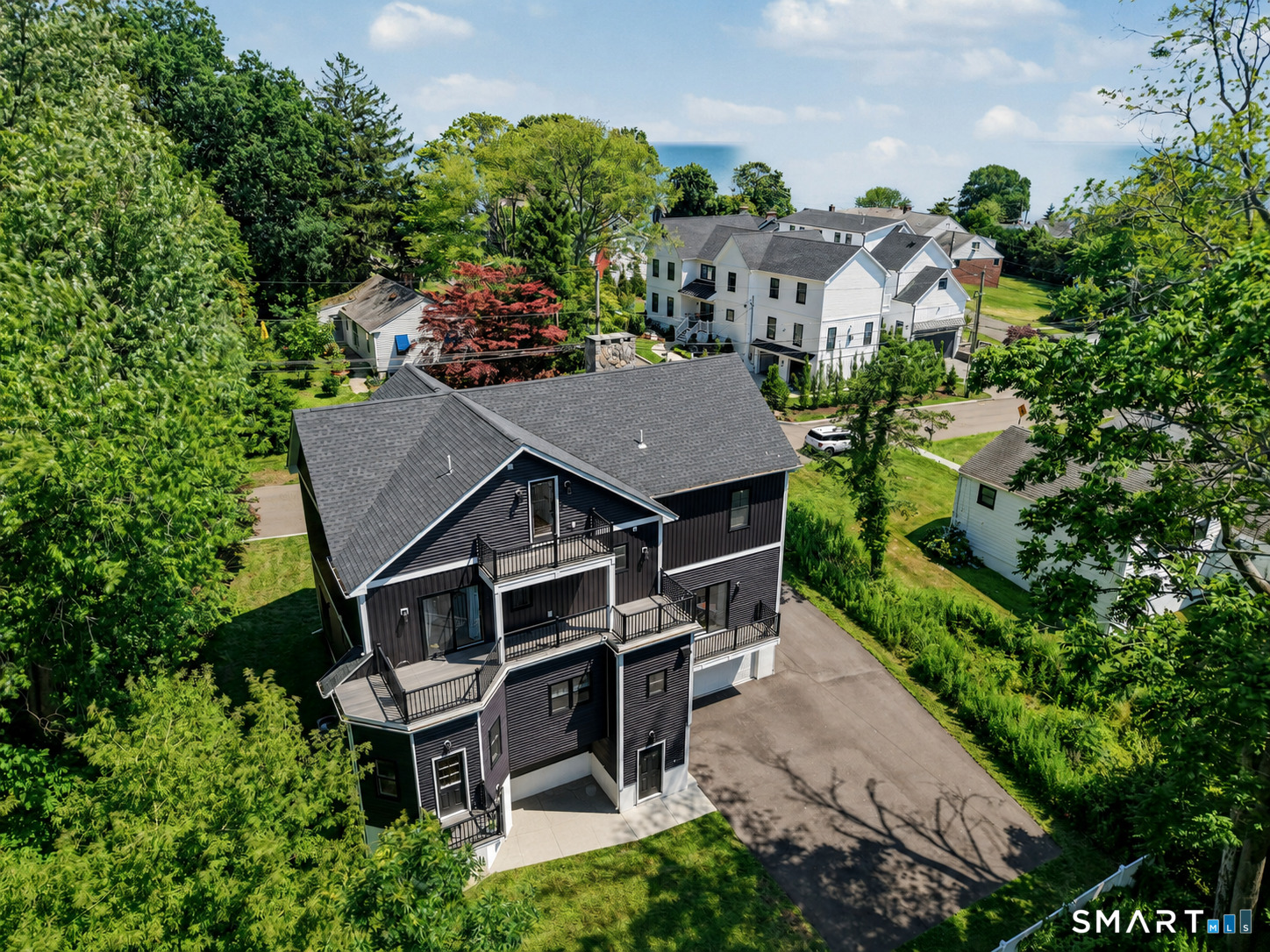
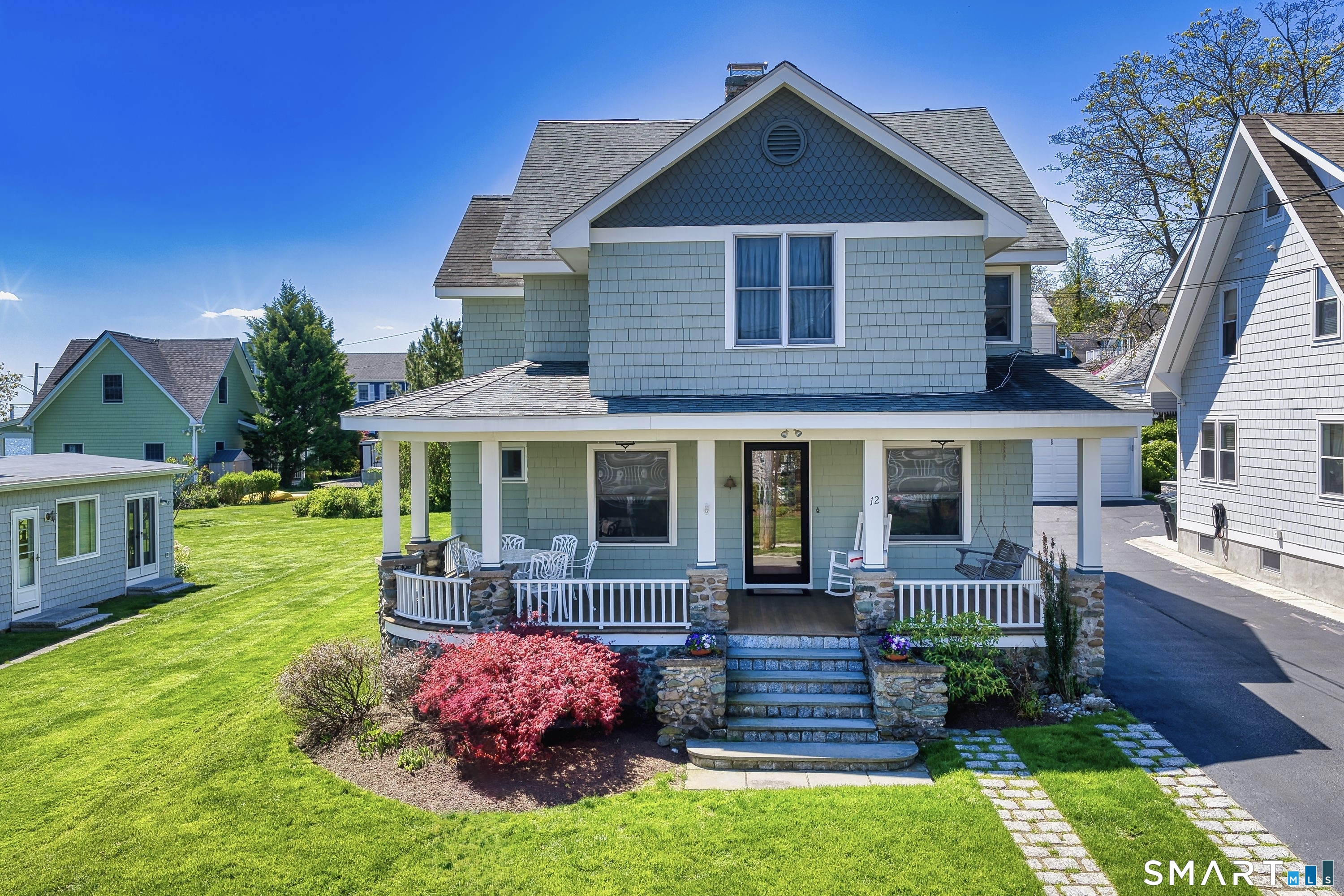
Milford offers a notably diverse range of housing options relative to most Connecticut shoreline communities, spanning beachfront cottages and coastal bungalows in the Woodmont and Devon neighborhoods, classic colonials and ranch-style homes in established inland neighborhoods, modern condominiums and townhouses near downtown, and waterfront properties with Long Island Sound views at various price points. This breadth makes Milford accessible to a wider range of buyers than many Fairfield County alternatives.
Milford's median sale price sits around $526,000, making it one of the more affordable coastal communities in Connecticut with direct water access. Entry-level homes and condominiums can be found from the low $200,000s, while waterfront estates and premium Sound-facing properties can reach $1.5 million to $3 million or more depending on location and condition.
New construction activity in Milford is present, particularly in the form of new single-family builds and condominium developments in the town's northern and central neighborhoods. For buyers seeking new construction with coastal proximity, several projects near Silver Sands and the harbor have introduced modern housing options into a market otherwise dominated by mid-20th century stock.
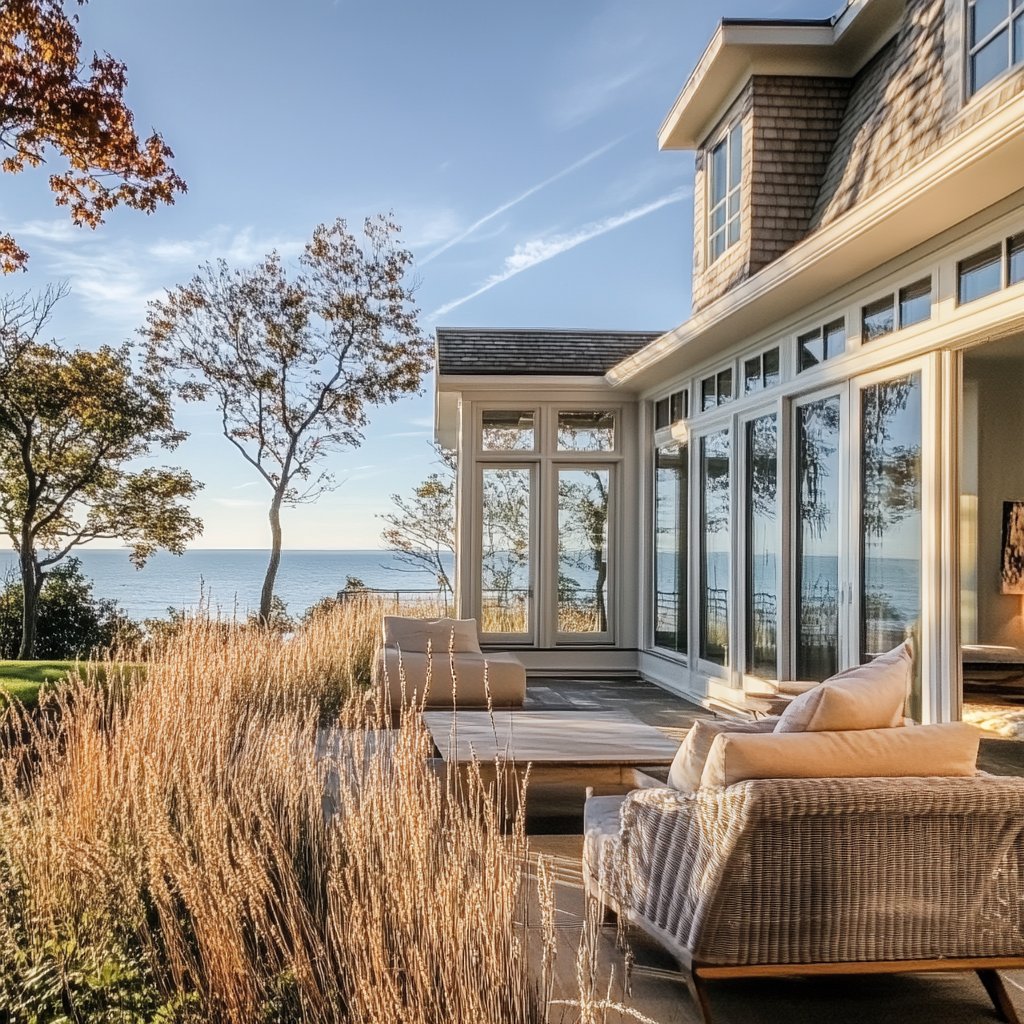
Milford homes reflect the town's coastal character, with many properties featuring outdoor entertaining spaces, proximity to beaches and parks, and the relaxed aesthetic of Connecticut shoreline living. Waterfront and near-water homes often include private decks or porches positioned to capture Sound views, while inland neighborhoods offer larger lots, family-friendly layouts, and convenient access to the town's parks and commercial areas.
Milford offers an increasingly rare combination in Connecticut: genuine coastal access, above-average schools, a charming walkable downtown, and a price point that remains meaningfully more accessible than neighboring shoreline communities like Westport or Darien. Its location between New Haven and Bridgeport on Interstate 95, combined with Metro-North service to New York City, gives buyers a genuinely practical coastal lifestyle without the premium price tag of Gold Coast towns further west.
Listings can be found on major platforms including Zillow, Redfin, and Coldwell Banker, and Milford's larger inventory relative to its Gold Coast neighbors gives buyers more options and slightly more time to make decisions. Working with a local agent familiar with Milford's diverse neighborhoods is helpful given the significant variation in lifestyle and value across different parts of the city.
Buyers in coastal neighborhoods like Woodmont, Devon, and downtown should carefully evaluate flood zone designations and associated insurance costs, which can be meaningful for waterfront and near-water properties. The borough of Woodmont also carries an additional local tax assessment on top of city taxes, which buyers in that area should factor into their budget calculations.
Milford has demonstrated consistent year-over-year appreciation, with home values up 6.6% annually according to Zillow and 13.6% year-over-year in late 2025. Its affordability relative to neighboring coastal communities, combined with growing buyer interest from New Haven County and New York City commuters, supports a positive outlook for continued value growth — particularly in the waterfront and downtown neighborhoods.
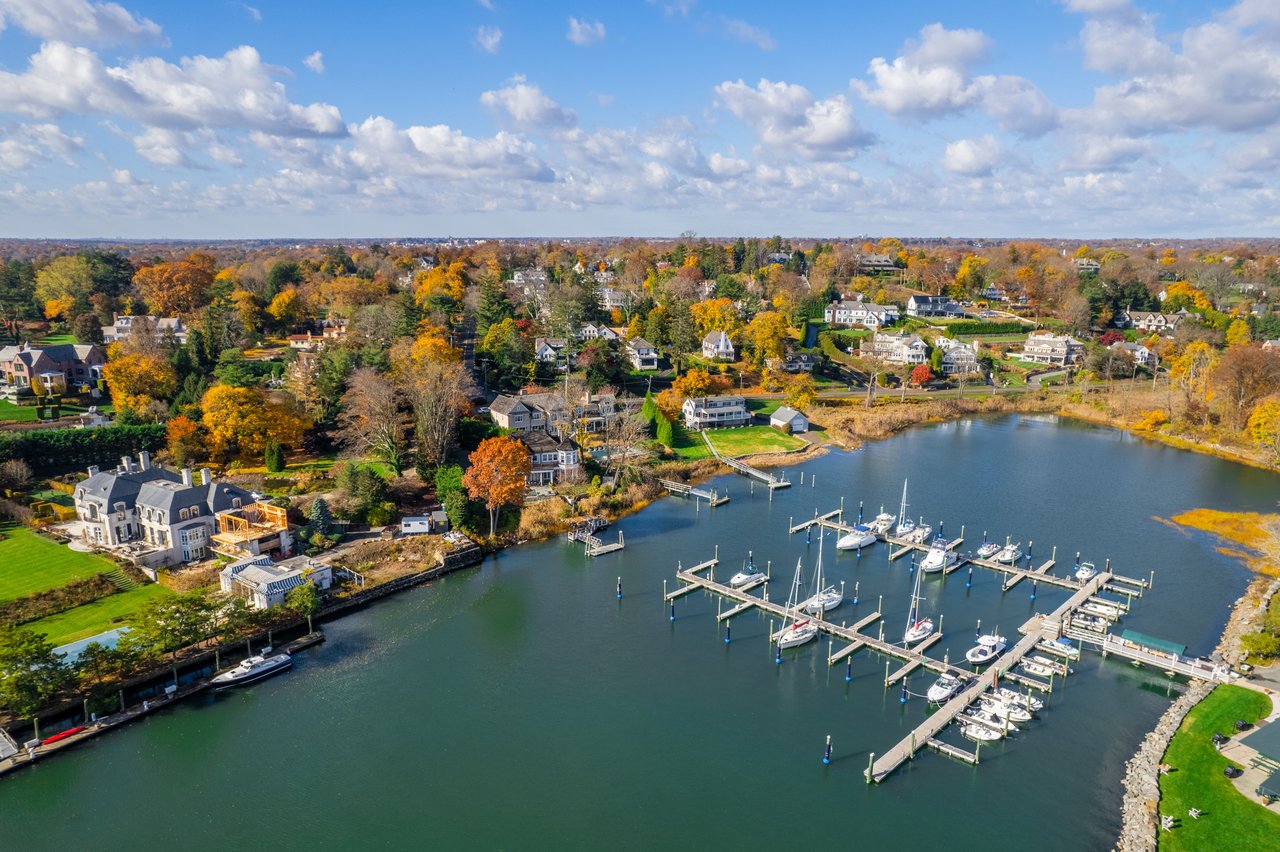
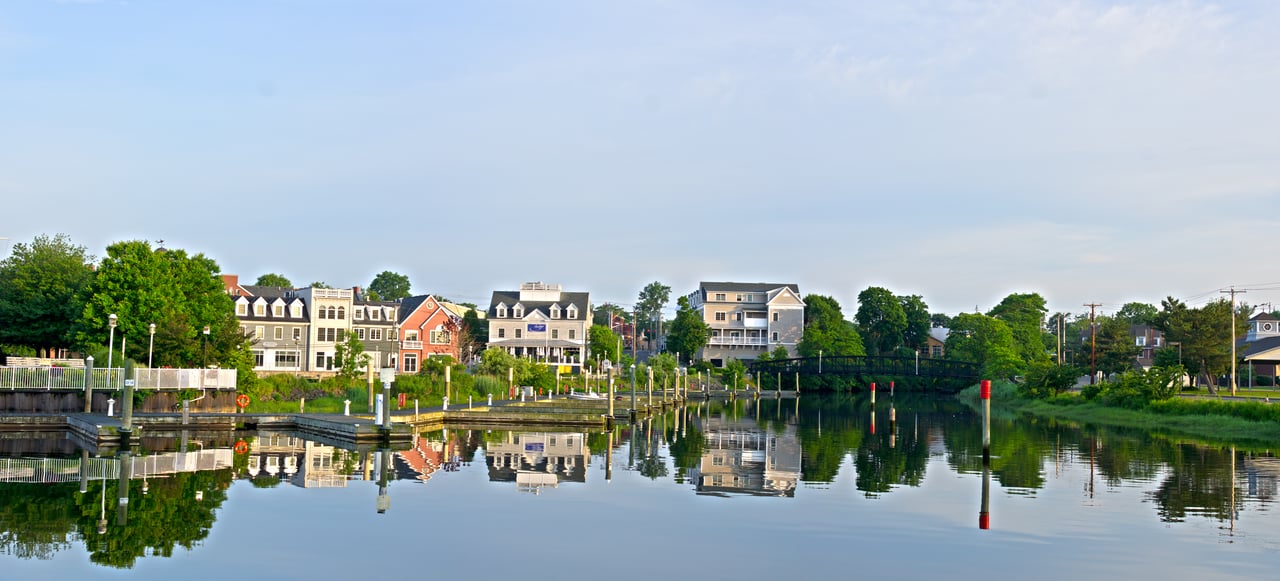
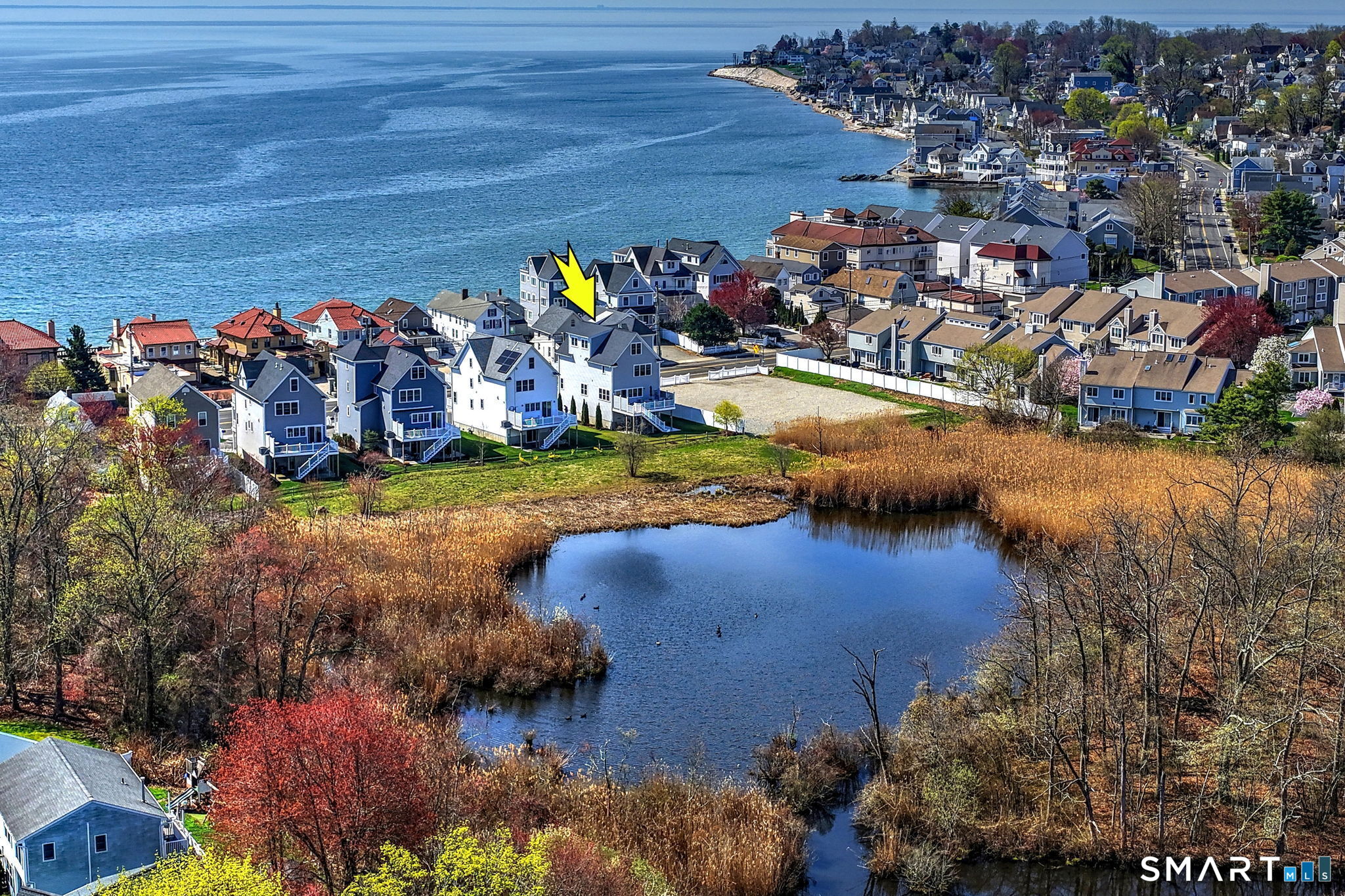
Milford has over 17 miles of coastline on Long Island Sound, giving buyers a range of waterfront options that few Connecticut cities can match. The Woodmont borough offers classic beach cottages and coastal homes along the Sound, Silver Sands and Devon provide access to some of the area's most beautiful beaches, and Milford Harbor offers a boating-oriented lifestyle with marina access and waterfront dining in a charming downtown setting.
Milford residents enjoy remarkable outdoor amenity for a city its size, including Silver Sands State Park, over 17 miles of Long Island Sound coastline, Milford Harbor, and the Connecticut Audubon Society Coastal Center at Milford Point. The annual Milford Oyster Festival — held every August since 1975 — is one of the largest single-day events in Connecticut, and the city's walkable downtown, Connecticut Post Mall, and strong network of parks and recreational facilities give residents a full and well-rounded quality of life.
Milford is a coastal city in New Haven County, Connecticut, situated along Long Island Sound between New Haven to the northeast and Bridgeport to the southwest, approximately 60 miles northeast of New York City. One of Connecticut's earliest settlements, incorporated in 1639, Milford encompasses over 17 miles of coastline along the Sound and sits at a convenient crossroads between the Gold Coast and New Haven's university and cultural hub.
Milford has a warm, family-oriented community spirit that reflects its roots as a historic New England town and a beloved coastal retreat. With a population of roughly 51,000 and a culture built around its beaches, harbor, parks, and annual traditions, Milford balances the energy of a mid-sized city with the neighborly character of a small shoreline town. Young professionals, families, and long-time residents coexist comfortably in a community that values its coastal identity.
Milford's dining scene centers on its charming downtown and harbor area, where waterfront restaurants, casual seafood spots, and neighborhood bistros line the streets within walking distance of Milford Harbor and the Green. The city's coastal setting lends itself naturally to seafood-focused menus, and a growing number of farm-to-table and independently owned restaurants have raised the quality and variety of the local food scene in recent years.
Milford is served by Milford Public Schools, an above-average district serving a student population of approximately 8,000 across multiple elementary schools, two middle schools, and two high schools — Jonathan Law and Joseph A. Foran. Private educational options including Lauralton Hall, an all-girls Catholic secondary school, complement the public system and give families meaningful choice at every level.
Milford's housing is among the most diverse of any Connecticut shoreline community, ranging from beachfront cottages to classic mid-century colonials and ranch-style homes in its inland neighborhoods, with a growing supply of condos and townhouses serving first-time buyers and downsizers. The median sale price around $526,000 makes Milford one of the most accessible markets in the state.
Milford is exceptionally well positioned for commuters, with Interstate 95 running directly through the city and Metro-North commuter rail service from Milford Station connecting residents to Grand Central Terminal in New York City in approximately 90 minutes. The city's location equidistant between New Haven and Bridgeport also puts residents within easy reach of two regional employment and cultural centers.
Milford enjoys a classic New England four-season coastal climate, with Long Island Sound moderating temperatures to produce warm, beach-perfect summers and winters that, while cold, are noticeably milder than inland Connecticut. The city's extensive coastline and numerous parks make all four seasons genuinely enjoyable for outdoor enthusiasts, with summer bringing the greatest concentration of beach activity and community events.
Milford has many outdoor and community amenities, anchored by Silver Sands State Park, Milford Harbor with its marina and waterfront dining, 17 miles of Long Island Sound coastline, the Connecticut Audubon Society Coastal Center, and an extensive network of parks and recreational facilities throughout the city. The annual Milford Oyster Festival, Walnut Beach, and a vibrant downtown Green with seasonal events make Milford an active and community engaged city.
Milford has a population of approximately 52,000 with a median age around 44 and a median household income of approximately $110,000. The community is predominantly owner-occupied and reflects a mix of long-established families, young professionals drawn by affordability and coastal access, and retirees who have made Milford home for decades. The city's diverse range of neighborhoods and price points supports a broad cross-section of residents.